The Label Already Has the Catalog
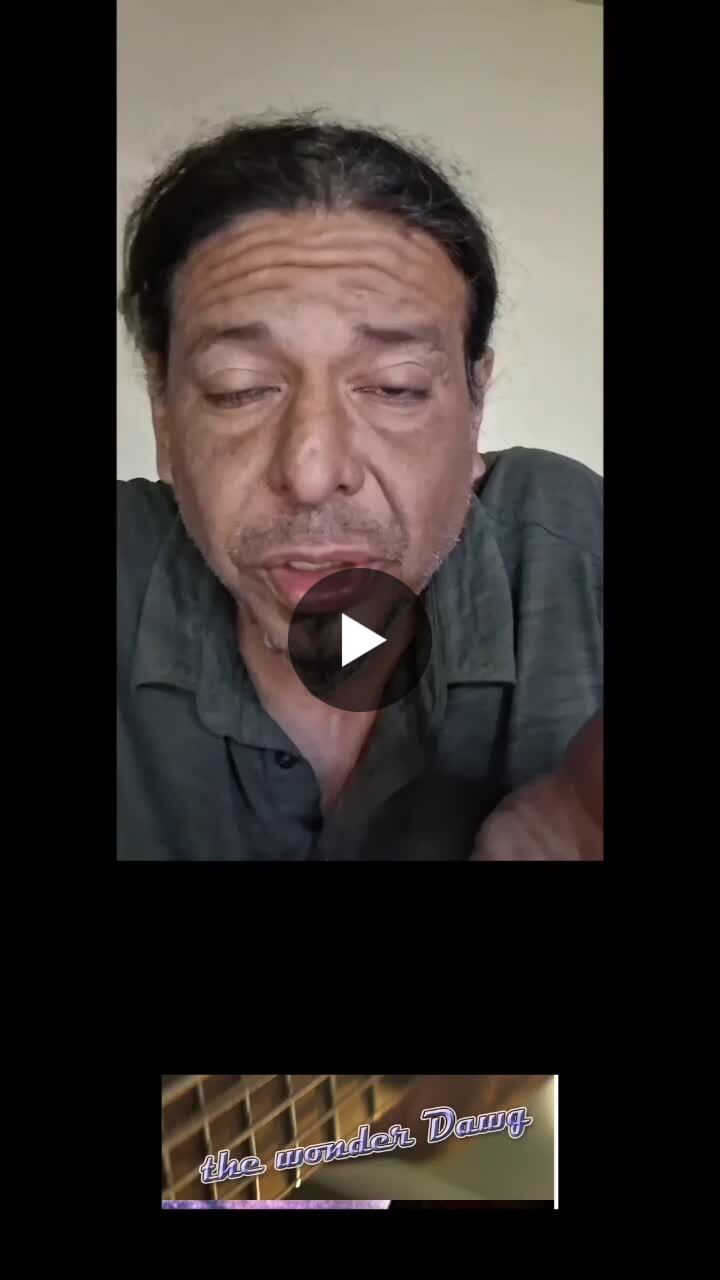
The music industry has the catalog. The AI tools arrived. The instinct was to feed one into the other. Marco Berrios thinks you've got the angle backwards — and he makes the case in about two minutes.


The music industry spent thirty years building legal walls around its own assets — and then, when the tools finally arrived to do something with all that accumulated catalog, the instinct was to feed it to a machine. Generate the song. Skip the artist. Keep the margin.
Marco Berrios, bassist and publisher, has a different read on that move: you're onto something — you've just got the angle backwards.
The catalog isn't valuable because it can be replicated. It's valuable because people already love it. And the thing people love can't be AI-generated, streamed as a digital artifact, or monetized through extraction. It has to be performed. It has to be present. It has to be alive — which means it needs actual musicians willing to carry it forward, and a business model willing to invest in developing them.
Marco's prescription is straightforward: do the A&R work you used to do. Find artists who want to play the songs you already own. Develop them. And then — here's the part the industry keeps flinching at — share enough of the upside that people actually want to stay.
His word for the alternative is slavitude. Systems built on extraction extract until there's nothing left, or until the people running them leave. Loyal people, he argues, work harder than slaves — not because they're obligated to, but because they're invested in something real.
The Grateful Dead worked this out fifty years ago without a business school framework to explain it. They let people record the shows. They built a dedicated taping section into every venue. The catalog became the marketing, and the live experience became the product nobody could replicate. The result wasn't a leaky revenue model — it was one of the most durable fan economies in the history of popular music. Not despite the openness. Because of it.
That's the Startup argument underneath the music industry story. Extraction is fast. Loyalty compounds. The A&R model — finding the right people, developing them, giving them a real stake — is slower and messier and harder to put in a spreadsheet. It's also the one that lasts.
For anyone building a freedom-based business from a foundation of genuine expertise: the catalog question isn't only about music. What have you accumulated that people already value? And what are you building around it — infrastructure that extracts, or relationships that grow?
Marco Berrios asks the industry a question it already knows the answer to. The original is two minutes. Marco says it better in his own words.
This insight comes from a short video by Marco Berrios — bassist, performer, and publisher. Find his work at thewonderdawg.com.
This piece is the third conversation in an ongoing DSL thread: The Algorithm Ate My Rock 'n' Roll started it. You Can't Sample That Anymore went deeper on ownership. This is where the argument lands. The Room That Wouldn't Dissolve](https://www.digitalstartuplifestyle.com/the-room-that-wouldnt-dissolve/) is the same conversation happening in real time, if you want to see what the loyalty gap looks like from the inside. If you're ready to build the independent version, So You Want to Run a Radio Show is the practical roadmap.
 Rez Man