The Ledger Nobody Audits
Gratitude tends to get sold as a mood, something to summon with a morning routine.

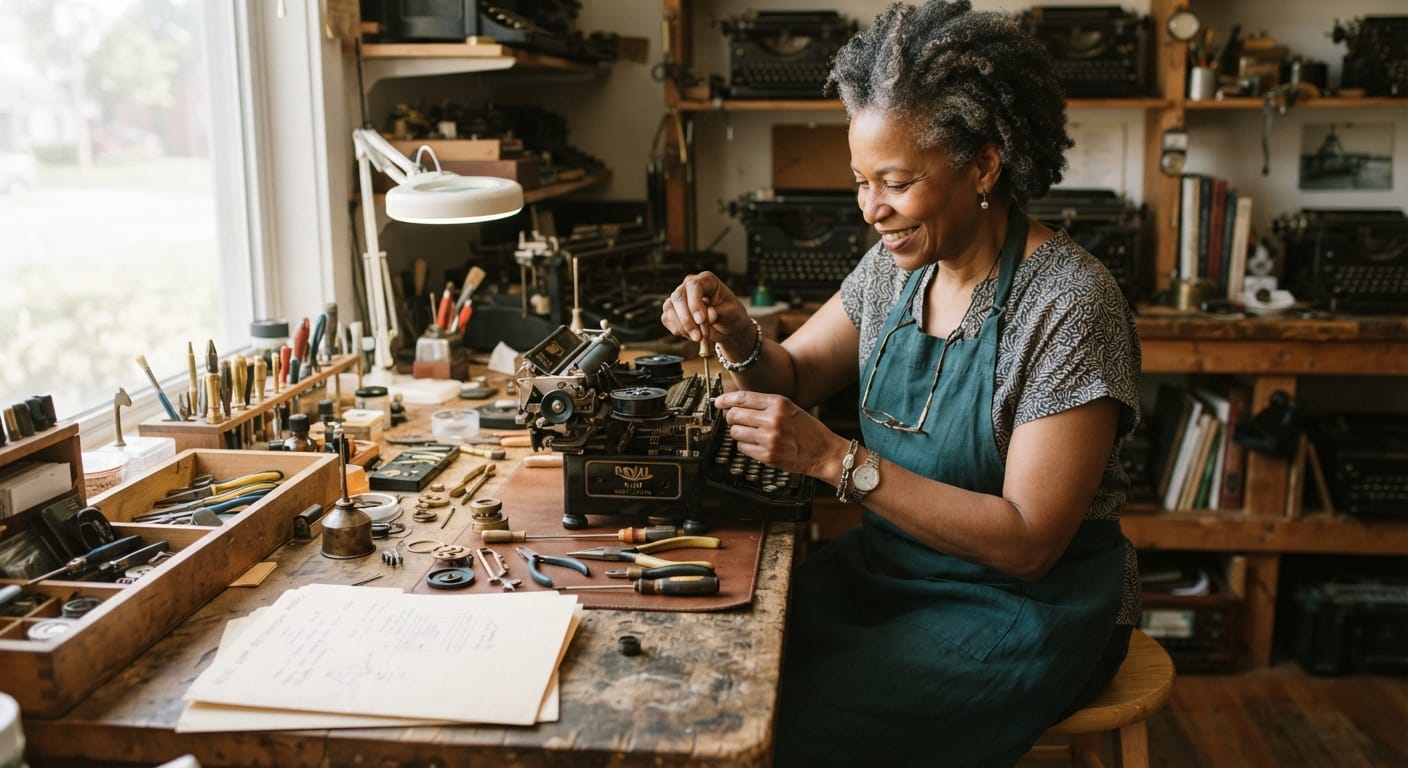
In a spare-room workshop, a woman who restores old typewriters keeps a manila folder in the bottom drawer of her bench. She sells maybe thirty machines a year. The folder holds printed emails: one from a retired court reporter who wrote four paragraphs about the sound of the keys, and one from a stranger who bought an eleven-dollar ribbon spool and mentioned, almost in passing, that it arrived the week his father would have turned eighty.
She doesn't open the folder often. On the weeks when a repair goes sideways and the shipping estimate is wrong and nobody writes at all, she does. Most small businesses keep two ledgers. One tracks money, and it gets reviewed, reconciled and worried over. The other never gets written down, and it records who made the work worth doing. A first customer who took a chance when there was no reputation to lean on. A friend who read a draft at midnight. A supplier who held an order a few days without being asked. The second ledger does something the first can't. It reminds you what the work is for when the numbers say very little.
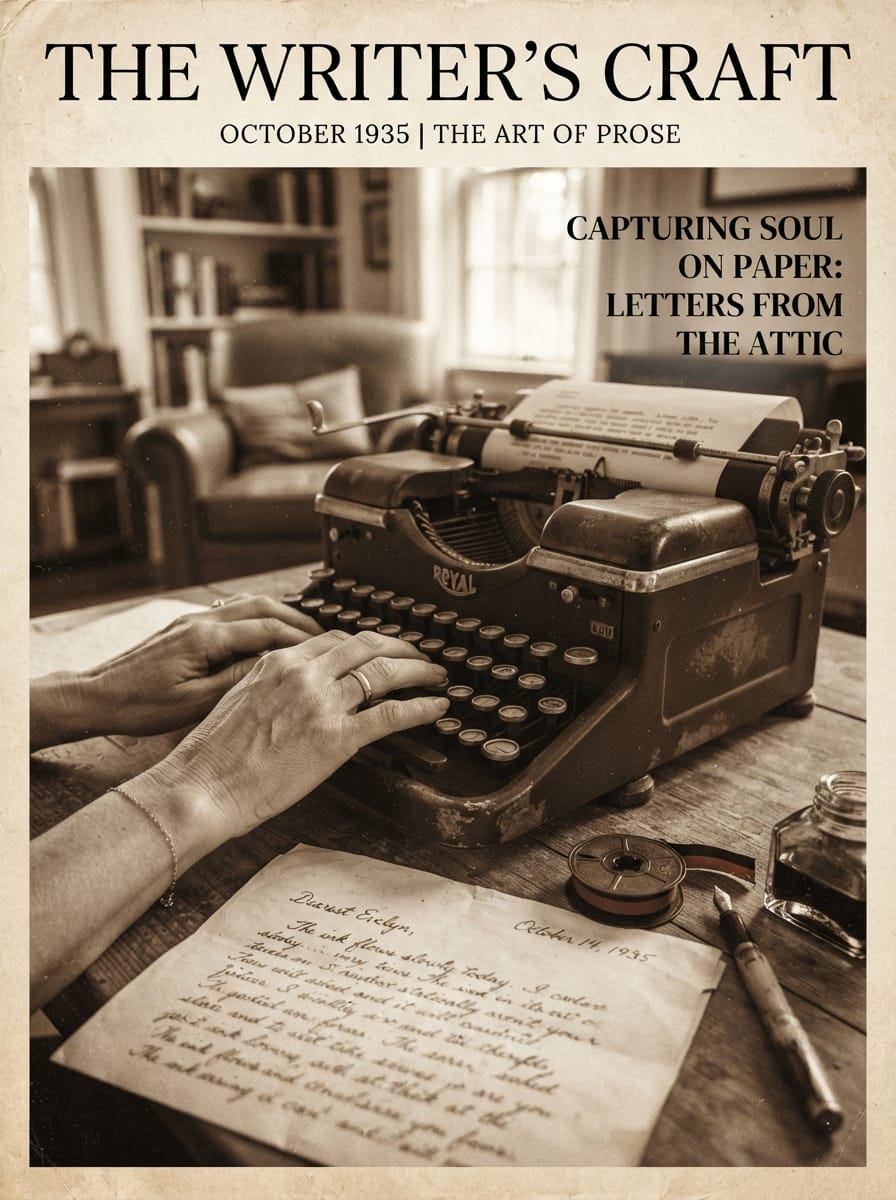
Gratitude tends to get sold as a mood, something to summon with a morning routine. A folder in a drawer is more like evidence. It doesn't ask you to feel anything. It just shows you what already happened, which raises a few questions. If someone asked you to name the three people without whom this work wouldn't exist, how quickly would the names come? Do those three know it? Now what would it take for the folder to exist at all, a place where the proof lives for the weeks when you can't remember it?
None of this requires a ceremony. The woman with the typewriters never decided to start a gratitude practice. She just couldn't bring herself to delete the emails.