Say the Price Out Loud

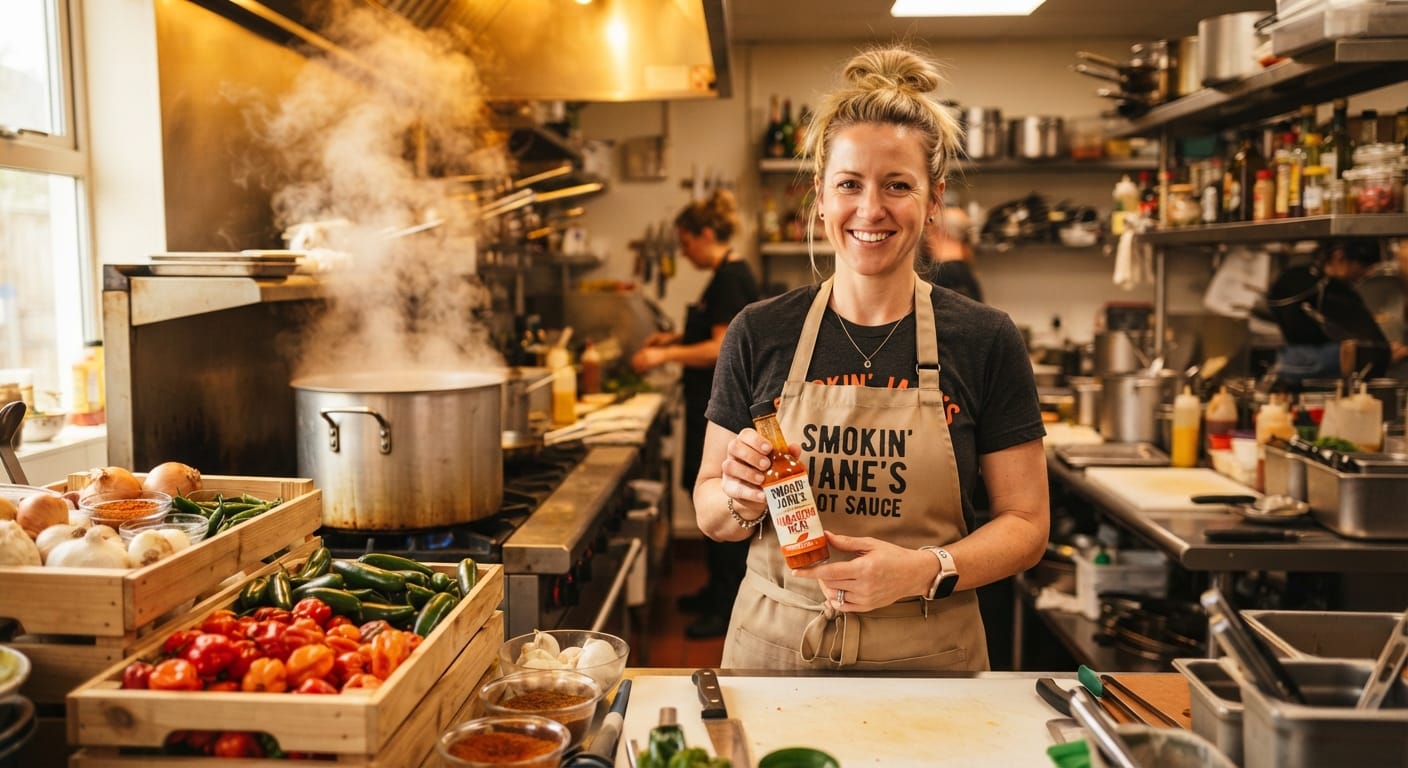
A woman who makes small-batch hot sauce sent an email to four hundred customers that began with the words your order is late, and here is exactly why. The pepper harvest had come in two weeks behind. The bottling run depended on it. She wasn't sure of the new date and said so.
She expected cancellations. Nobody cancelled. Eleven people wrote back, and one of them said it was the first time a business had ever told him the real reason for anything.
Transparency gets described as a policy, with an About page, a sourcing statement and a pricing table. But in practice it's a series of small moments when it would have been easier to say nothing. A delay. A price increase. A mistake that nobody outside the business has noticed yet.
These are the moments customers remember, and not because the news was good. They remember because it was the first time they could see a person on the other end instead of a storefront.
Authenticity works the same way. It isn't a tone of voice. It's the experience of someone saying the thing they didn't have to say, and of a business behaving the same way when it's inconvenient as when it's convenient.
It's worth asking what you're quietly hoping nobody asks about right now. What would the email look like if you simply told people? And who is better off when you don't, you or the customer?
Trust usually isn't built in the big gestures. It is built in the small admissions, one at a time, by people who decided it was worth the discomfort.