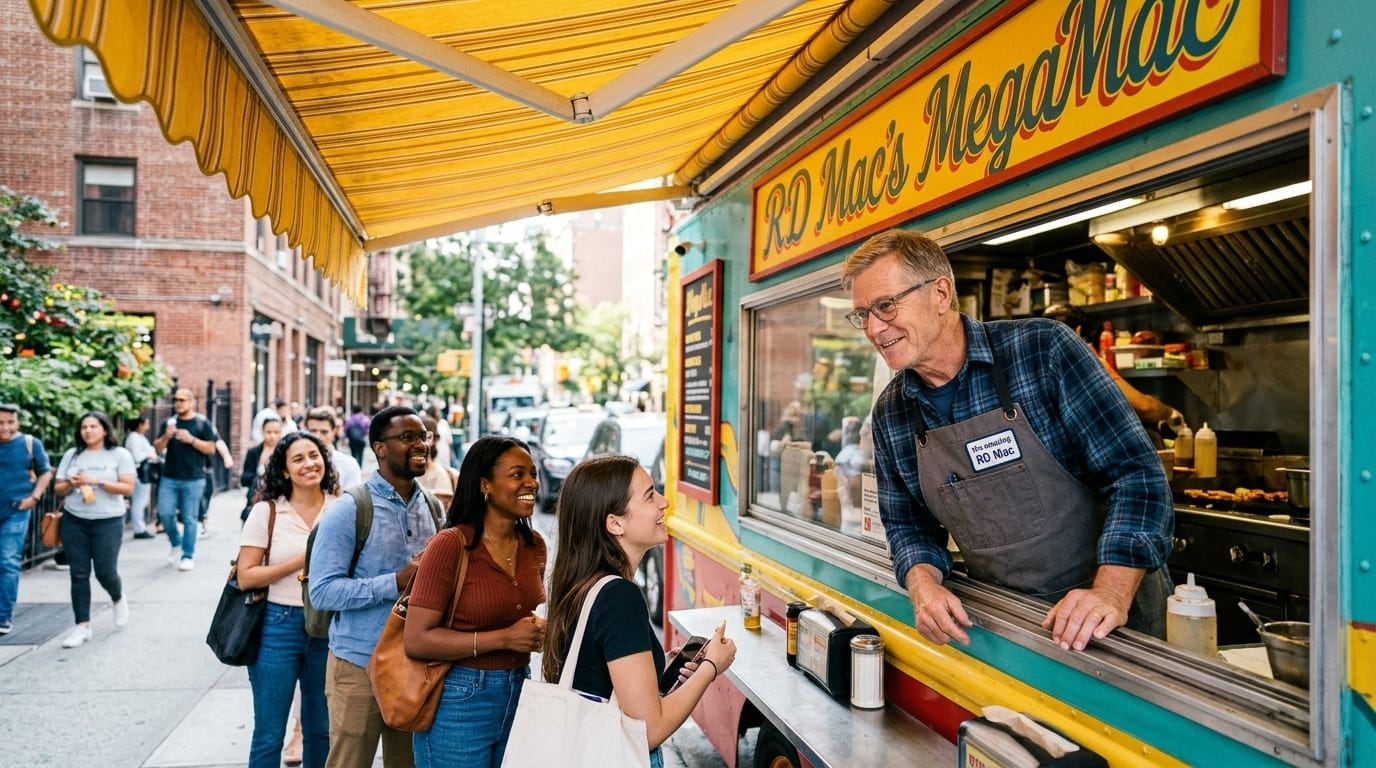
One Real Conversation
A conversation with one real person tends to surface something no spreadsheet will: a detail, a frustration, a word they use that you hadn't thought of.


A woman planning a meal-prep service for night-shift workers spent three weeks designing a survey. Four people answered. Then she walked into a hospital cafeteria at three in the morning, sat down across from a nurse on break, and asked what she actually ate on a shift.
The nurse laughed and said, "Whatever's in the vending machine, and I hate it." That one sentence reshaped her whole menu.
Market research, personas, segmentation, personalization and measurement are all ways of asking the same thing: who is this for, and what do they need? They are useful tools. But they work best after the first real conversation, not in place of it. A persona built on assumptions is just a guess with a name. A conversation with one real person tends to surface something no spreadsheet will: a detail, a frustration, a word they use that you hadn't thought of.
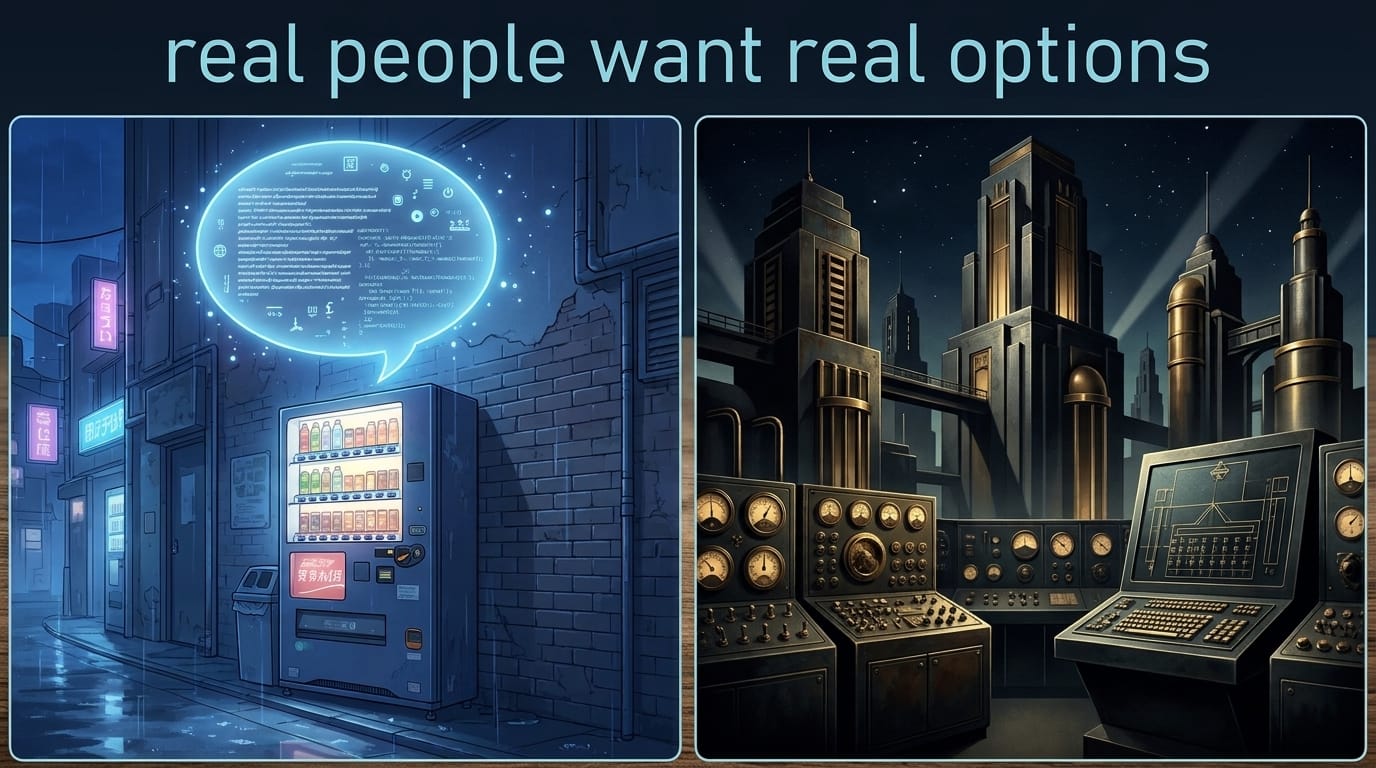
Personalization follows naturally. When you know one person well, you can serve many people better, because you remember what it was like to be someone specific.
So it's worth asking when you last sat across from a real customer, or someone like one, and just listened. What did they say that surprised you? And what are you currently building on an assumption you haven't tested with a single human being?
The meal-prep founder still has her survey. She keeps it as a reminder that a good question is worth more than a long form.