What a Ledger Nobody Controls Is Actually For

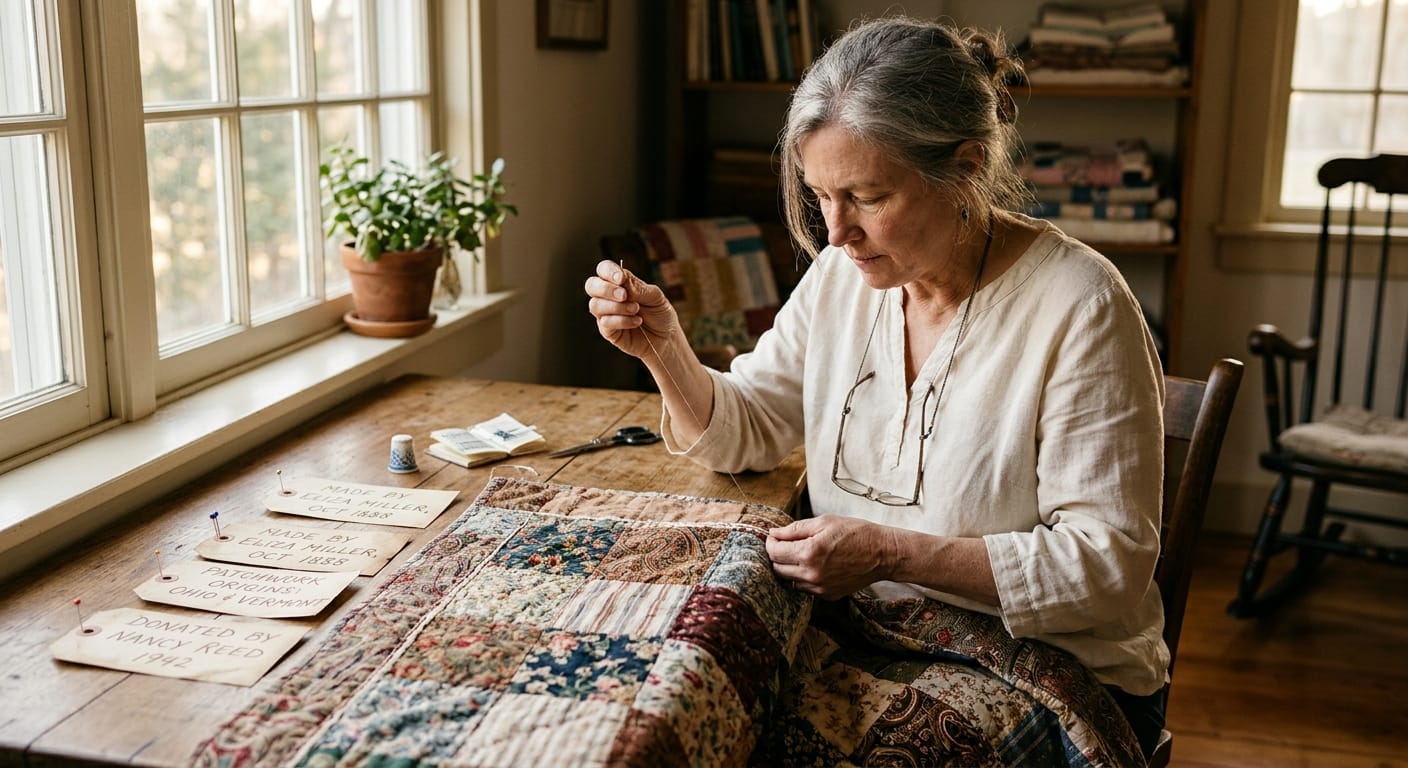
A woman who sells hand-stitched quilts wondered whether she should be tracking each one on a digital ledger so buyers could verify where it came from. She read about it for an evening and came away knowing less than when she started.
Here is the plain version. A blockchain is a shared record that many parties can read and that is very hard for any single party to alter afterward. That is the whole idea. Everything else, from digital currencies to self-executing agreements written in code to systems for tracing goods, is built on top of it.
The interesting question is not whether the technology is impressive. It is whether your situation actually needs it. This kind of ledger earns its keep when several people who don't fully trust each other all need to rely on the same record, and no one wants to hand the keeping of it to a single outsider. Where those conditions are missing, a spreadsheet and an honest email usually do the job at a fraction of the cost.

That is why so many early projects in this area quietly faded. They were solving a problem nobody had.
Still, the underlying question is useful. Who in your business has to take someone's word for something? A supplier's claim about origin, a client's promise to pay, a collaborator's record of who did what? How much of the friction in your work comes from the absence of a record both sides can trust?
If the answer is a lot, the technology may be worth a closer look. If it is not much, that is worth knowing too.
The quilter decided her handwritten tags and the stitching itself said enough. Her buyers agree.