Second Sight
Second sight isn't about seeing something new. It's the moment you can finally read what has been sitting in front of you.


Somewhere in later life, some people notice something odd. Reading gets easier. The glasses that lived on the nightstand sit unused. Menus come into focus without squinting.
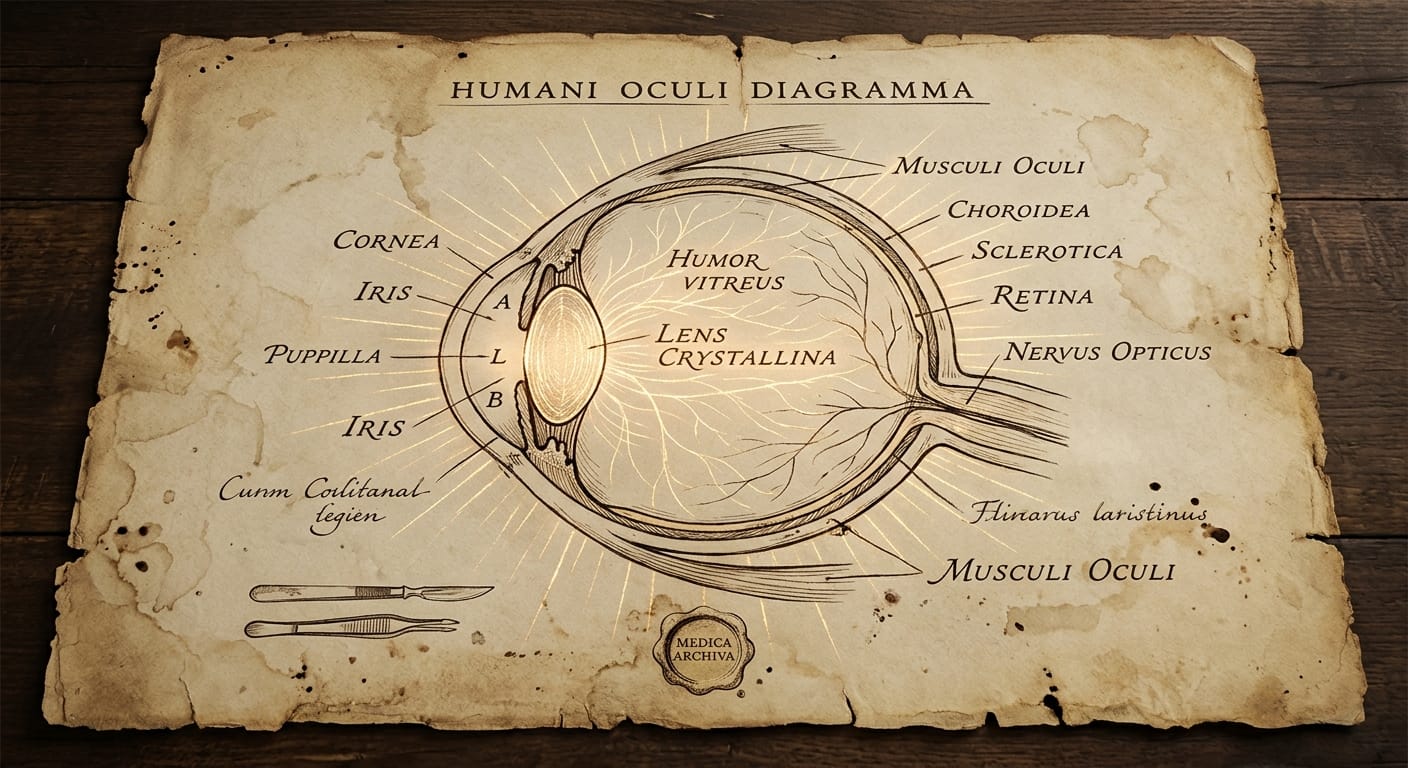
Ophthalmologists call it "second sight." The lens inside the eye slowly changes as it ages, and for a while that change happens to compensate for the very thing that blurred close-up vision in the first place. It is not a cure. It does not last. But while it does, people see what was in front of them all along with a clarity they'd stopped expecting.
There is a version of this that happens in a working life, though nobody schedules the appointment.
For years you are close to the work: head down, nose to the problem, focused on what's directly in front of you. That isn't a flaw. It's how anything gets built. But somewhere in the accumulation of years and roles and problems solved, what you've built starts to look different from where you're standing.
The trucking dispatcher who can read a route problem before anyone else in the room has finished describing it. The nurse who knows what a chart isn't saying. The account manager who has spent fifteen years turning difficult clients into loyal ones and genuinely doesn't know that's rare. The ironworker who has kept crews steady through conditions that would dissolve most project plans.
None of them would list it on a resume. The skill lives in thousands of hours nobody thought to name.
Second sight isn't about seeing something new. It's the moment you can finally read what has been sitting in front of you.
The question worth carrying isn't whether your experience has value. It's whether you have ever looked at it clearly enough to see what it actually is.