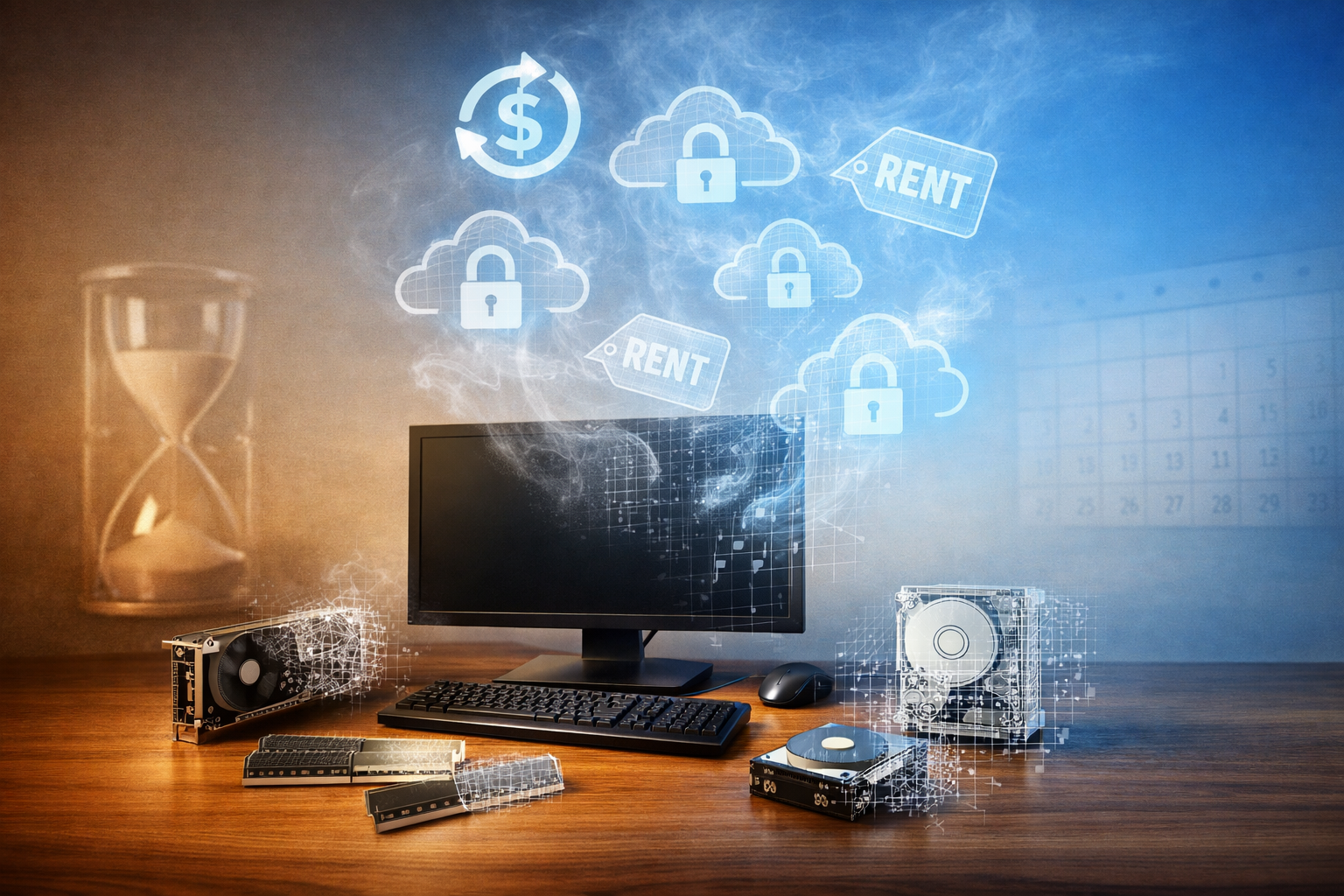
The Myth of Digital Ownership
You bought the hardware, but do you own the soul? The digital graveyard—from bricked Fisker Oceans to dead BlackBerry devices—proves we're purchasing products but renting the infrastructure. True ownership means choosing tools designed for autonomy, not dependency.

Primary Pillar: Digital | Secondary Tag: Freedom Enablers
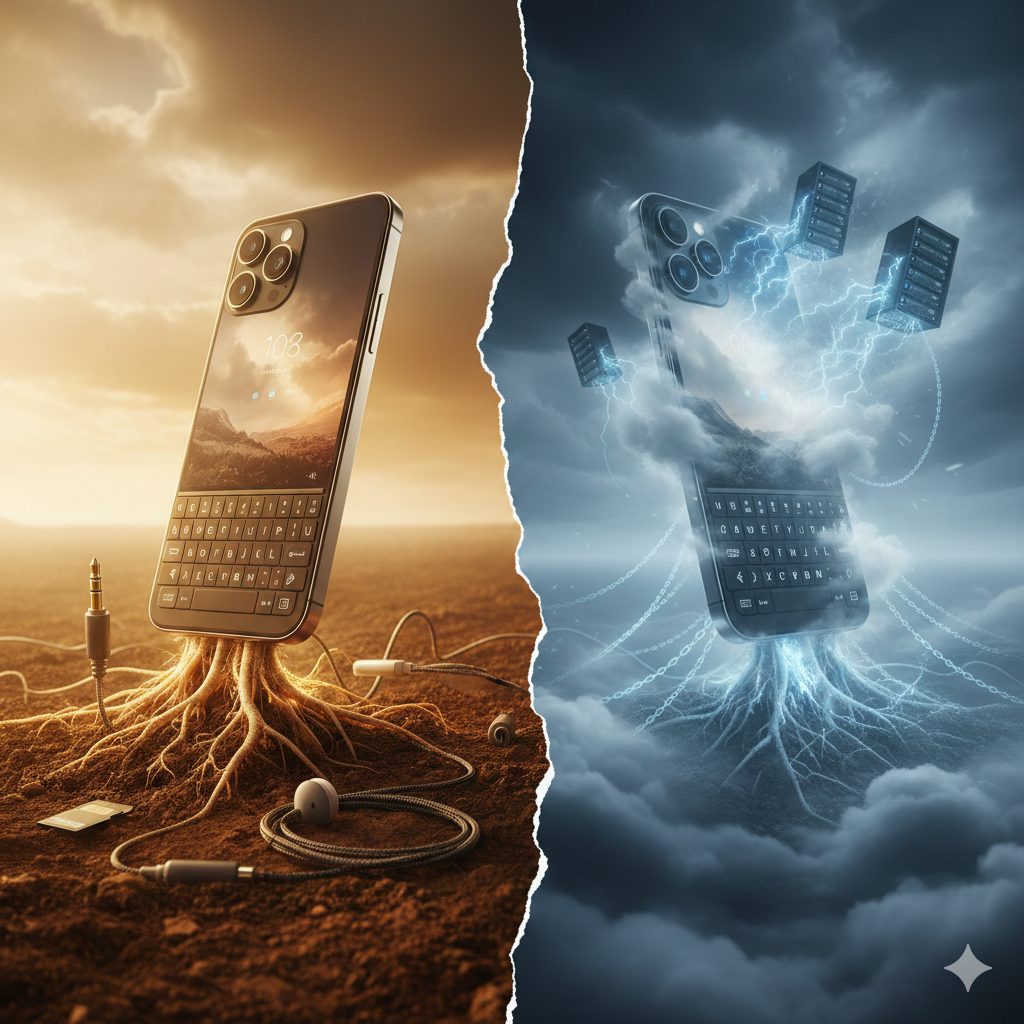
You bought the hardware. You own the device. But do you own the soul? The growing "digital graveyard"—from bricked Fisker Oceans to the final sunset of BlackBerry OS—reveals an uncomfortable truth: we're purchasing products but renting the infrastructure that makes them useful. When the cloud evaporates or the parent company pivots, your investment becomes a paperweight.
Here's the puzzle freedom-based founders face: How do you build a sustainable digital ecosystem when the tools themselves are built on shifting sand? The answer isn't rejecting technology—it's choosing tools designed for autonomy rather than dependency.
The pattern is clear across industries. General-purpose devices promise everything, deliver temporary convenience, then become bloated relics when their creators move on to the next revenue stream. Purpose-built tools survive because they solve specific problems without requiring constant corporate life support. They work because they're there—not because a server farm decided to keep the lights on.
Your most valuable asset isn't the device in your hand. It's the attention you protect and the autonomy you preserve.
Consider what makes a tool truly yours: Physical controls that respond without permission. Storage that doesn't require an account. Connections that work offline. These aren't nostalgic features—they're sovereignty features. A headphone jack isn't just about audio; it's about not asking permission to listen. MicroSD expansion isn't about capacity; it's about not renting storage from someone else's cloud. Physical keyboards aren't about typing faster; they're about tactile certainty in an interface designed for distraction.
Recent product launches—like the Clicks Power Keyboard and Communicator—demonstrate this counter-approach in practice. Instead of building consumption devices disguised as productivity tools, they're building communication instruments with kill switches and local encryption. Tools for action, not scrolling. Devices that pair universally rather than lock you into ecosystems. Hardware that treats buttons as features, not relics.
This matters because attention management is infrastructure management. When your writing tool depends on corporate servers staying online, you've outsourced not just your data but your ability to work. When your communication device requires constant updates to function, you've traded ownership for access—and access can be revoked.
The broader principle transcends any specific brand or product: Intentional tools enable intentional work. Dependency-based design enables extraction. Whether you're writing a book on a train or managing operations between time zones, the question isn't "What's the most powerful device?" It's "What tools give me control over my attention and access to my work—regardless of what some distant company decides next quarter?"
If you're building a freedom-based business, your digital toolkit should reflect that philosophy. Look for tools that work because of what they are, not because of what they're connected to. Explore the emerging category of sovereignty-first hardware—devices designed for autonomy rather than algorithmic engagement.
Attribution: This insight draws from coverage of the 2026 Clicks product launch, adapted here for DSL's audience of freedom-building entrepreneurs. The original announcement and product details can be explored at clicks.tech